Interior Design involves the creation of
imaginative and stimulating environments in specific places
- often within existing buildings, the
revitalisation, reuse and re-imagining of the latter requires a
sensitivity to the particular qualities of a site, along with an
understanding of the needs of the people who will populate the
eventual construction. In proposing fresh ways people might use a
building, a skilled interior designer is able to creatively embrace
the constraints of brief and context, engaging in a dialogue
between existing architectural form, and contemporary approaches to
the organisation, detailing, and decoration of a space.
Intelligent interior design is a key
contributor to an improved quality of life, and it helps generate
business success. It has an established professional structure
which allows graduates the opportunity to gain invaluable
experience at various levels of responsibility before choosing to
set up in independent practice or take leading roles in established
studios.
Patrick Macklin
Head of Department, Interior Design
Ethos
The Interior Design department at GSA is focused upon the
production of appropriate, practical and creative solutions while
working within specific types of constructed space. It asserts
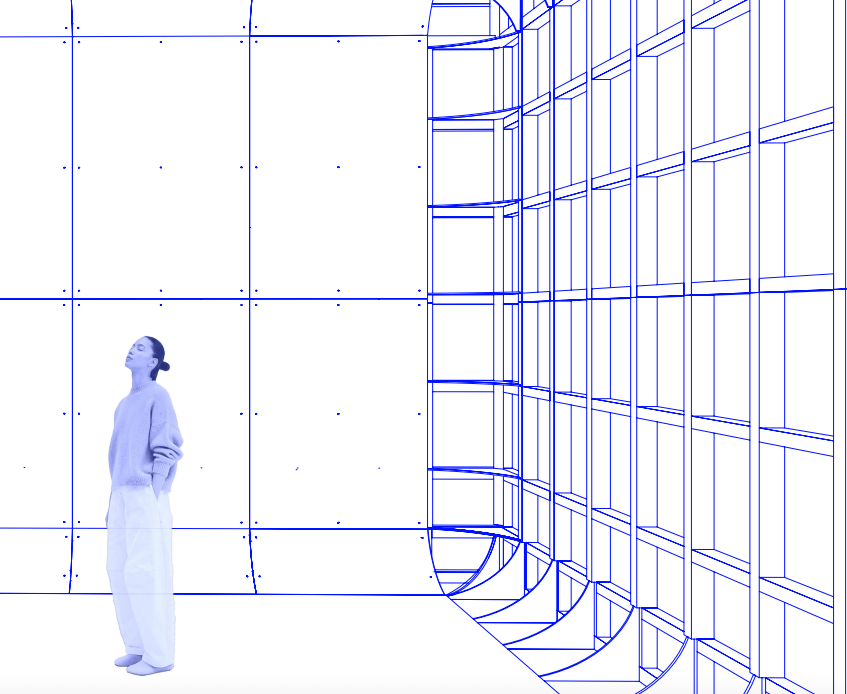
that, as interior designers, digital methods of representation,
such as CAD, 3D-printing and immersive virtual-imaging are integral
to the way our proposals are understood and developed, produced and
discussed. This opens up a space to further investigate more
corporeal concerns such as the narrative properties of materials
and the relationship between site and proposal. It is this interior
design 'project/problem' based learning that helps generate a
thorough awareness of the key components in an interior designers
repertoire.
We offer the opportunity to prepare for the
increasingly distinct and challenging world of professional
interior design. We encourage bold, critical, conceptual thinking
and the clear communication of ideas. Creativity is developed
through sustained involvement with the design process via a broad
arc of diverse projects, supportive and diagnostic tutorial
discussion, and reviews with an informed audience of staff and
student peers, both from within the specialist area, from other
design disciplines and from the wider school. This comprehensive
exposure to the breadth of the discipline provides a foundation
from which, in the final year of the programme, students are able
to self-direct and finely-tune their particular interests, and hone
both practical and intellectual skills, in preparation for
practice.
The programme has around 25 students in each
year. We believe that small cohesive and dynamic groups work
better. Small groups also allow staff to form a clear perception of
individual abilities and aspirations. All full and
part-time tutors are actively engaged in practice and/or research,
and as a team, offer a complimentary range of specialist
experience, which includes furniture design, computer
representation, professional management techniques and user centred
design. Visiting tutors bring additional experience of major
specialist activities, such as retail, hospitality,
exhibition/interpretation and set design. The work of staff members
is regularly published and exhibited in the UK and
abroad.
Forum for Critical Inquiry
A element of the programme is delivered by the Forum for Critical
Inquiry (FoCI) The Forum is an essential component of the
programme. For most of the four years of undergraduate programmes
in design and fine art, one day per week of the student timetable
is allocated to the Forum. It is a cross-school and
externally linked critical mass of diverse research expertise in
broad-based critical studies for contemporary creative practices in
design, art and architecture.
The range of teaching styles varies from traditional keynote
lectures to interactive discussion groups and experiential
learning. Courses are constructed in order to both underpin studio
practice and to open out and extend the range of student
research.
All students are required to attend lectures and discussion
groups, to make oral presentations, to write essays and in the
final year, to present a piece of personal research in the form of
an Extended Essay (20% of the final degree mark) or a Dissertation
(30% of the final degree mark).
Students requiring learning support are provided with additional
teaching tailored to individual needs. Each student also has a
departmental contact tutor who acts in an advisory and pastoral
capacity in relation to progress in Forum for Critical Inquiry.