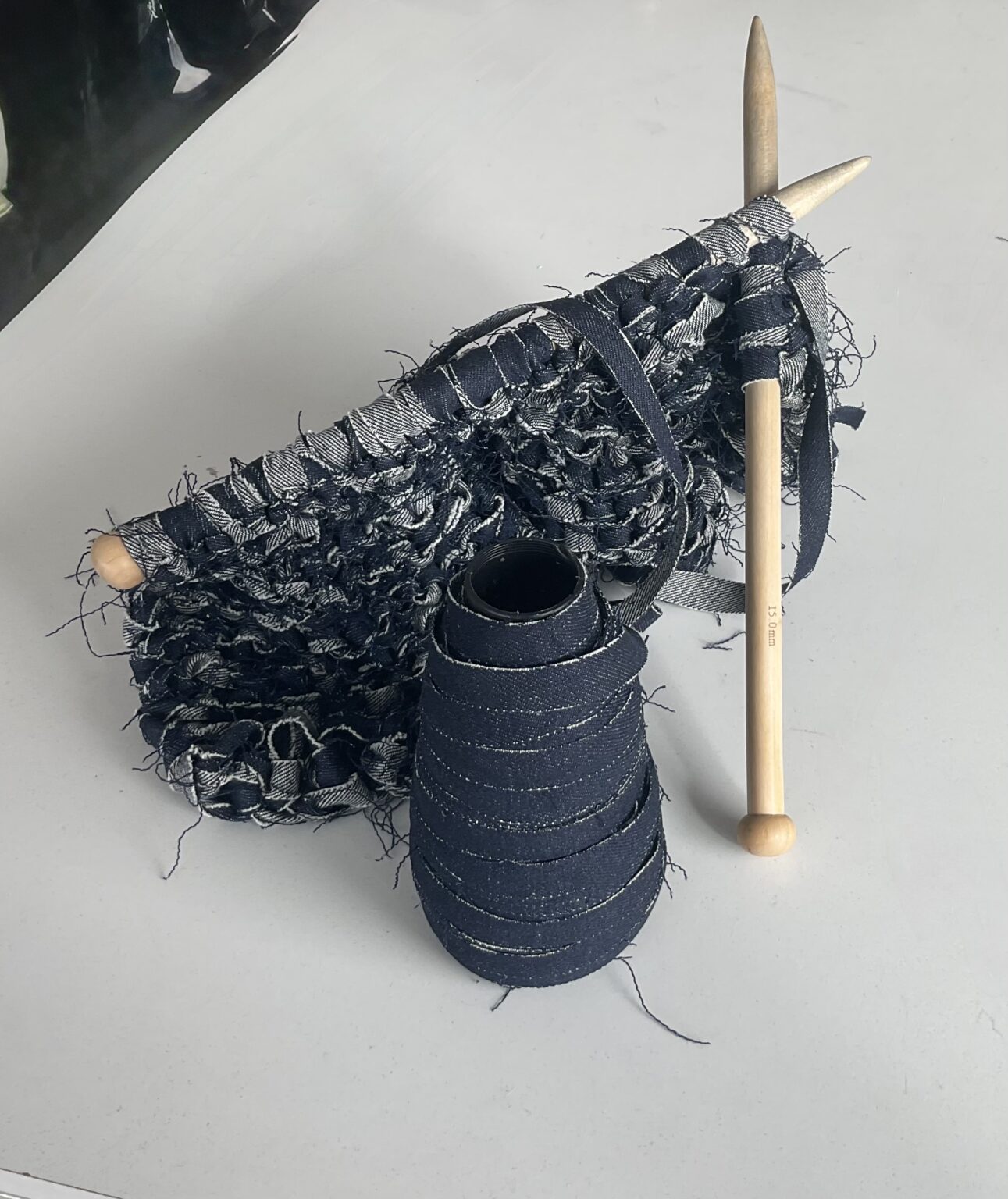
Our reasons for decorating the body are wide-ranging and complex
and the wearing of jewellery (shell beads) is the earliest recorded
form of modern human behaviour, dating back over 100,000 years.
Historically, people have expressed themselves through relatively
superficial body adornment to extremely sophisticated symbols as a
means of communicating the concept of position, rank, status,
etc.
Contemporary studio jewellers continue to challenge perceived
boundaries and use the artefact as a way of defining a personal
response to social and cultural issues such as gender,
relationships politics, and the environment. Similarly,
silversmiths explore this interaction between fine metalworking and
ideas, through the vehicle of the functional domestic object.
The Department embraces this diversity through informed debate
and discussion. It encourages students to develop a personal
approach to the research and development of lively design solutions
together with a knowledge of traditional and cutting edge
technology and skill acquisition.
Whether they intend to enter the broad based jewellery and
silverware industries, pursue personal expression through the
gallery market or continue in academia, students will develop their
skills in a supportive and confident Department.
The Silversmithing and Jewellery programme aims to provide a
broad, balanced programme covering aspects of body adornment and
fine metalworking from the development of original design concepts
through to the finely crafted finished work. The course embraces as
broad an approach to silversmithing and jewellery as possible, from
designing for the mainstream jewellery or silverware industries to
the pursuit of very personal works intended for gallery
exposure.
A strong emphasis is placed on the development of individual
craft and design skills that increasingly allow each student the
freedom to pursue and realise ideas in appropriate media.
Consequently, we actively encourage exploration of a wide range of
materials through project work. The course centres its basic
technical studies, however, in the area of fine metalworking,
providing students with the experience of working in gold and
silver as well as other metals.
The staff of the department, as practising
designer/makers/researchers, continually review new developments in
the field, evaluate the place of silversmithing and jewellery in
changing international cultural environments, and respond to
technological advances in design and manufacture. The programme is
supported by guest lectures, field trips, professional practice
workshops, live projects, themed department exhibitions, and
seminar/study groups.
Forum for Critical Inquiry
A element of the programme is delivered by the Forum for
Critical Inquiry (FoCI) The Forum is an essential component of the
programme. For most of the four years of undergraduate programmes
in design and fine art, one day per week of the student timetable
is allocated to the Forum. It is a cross-school and
externally linked critical mass of diverse research expertise in
broad-based critical studies for contemporary creative practices in
design, art and architecture.
The range of teaching styles varies from traditional keynote
lectures to interactive discussion groups and experiential
learning. Courses are constructed in order to both underpin studio
practice and to open out and extend the range of student
research.
All students are required to attend lectures and discussion
groups, to make oral presentations, to write essays and in the
final year, to present a piece of personal research in the form of
an Extended Essay (20% of the final degree mark) or a Dissertation
(30% of the final degree mark).
Students requiring learning support are provided with additional
teaching tailored to individual needs. Each student also has a
departmental contact tutor who acts in an advisory and pastoral
capacity in relation to progress in Forum for Critical Inquiry.