The Department of Sculpture and Environmental Art offers two
programmes, each with its own distinct focus. Sculpture has been
taught at the GSA since before the turn of the 20th century, with
the Environmental Art programme being established nearly a 100
years later in the mid 1980s.
Sculpture
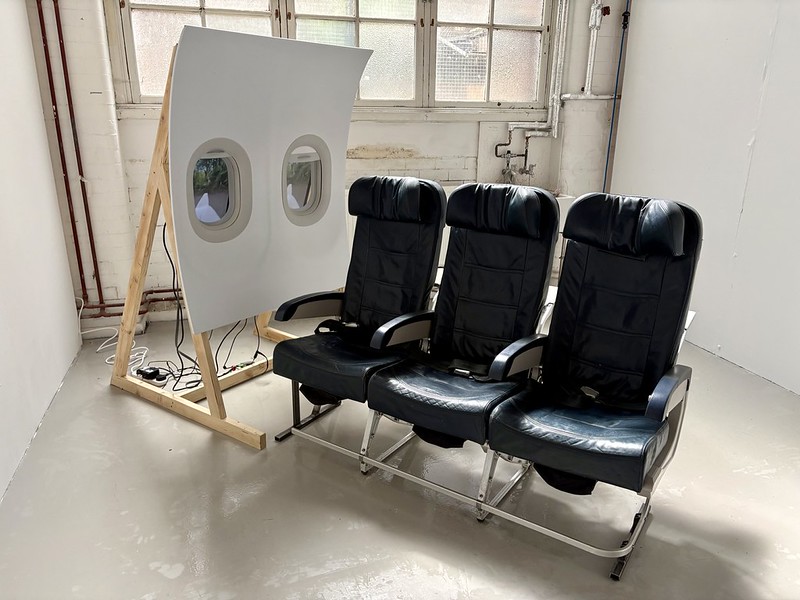
The scope of Sculpture has widened, extending the conventional
boundaries of object making to encompass both traditional and
contemporary materials and media. The language of spatial and
material practice taught by the department is based on
construction, casting and fabrication and extends through to more
time based art practices such as video, performance and
installation. The course recognises and embraces this breadth, and
actively encourages students to think independently and critically
in order to gain a command of the conceptual and technical
processes appropriate to this expanded field of sculptural
practice.
The core objectives of the Programme are to develop the practical
and philosophical understanding of the subject of sculpture; to
develop practical skills and the ability to mediate ideas through
materials and process; and to develop the ability and confidence to
critique and communicate about sculpture, both historical and
contemporary. This is achieved through a programme of study that
integrates both theory and process, informing the experience of
sculpture practice from its historical beginnings to current
contemporary practice.
Environmental Art
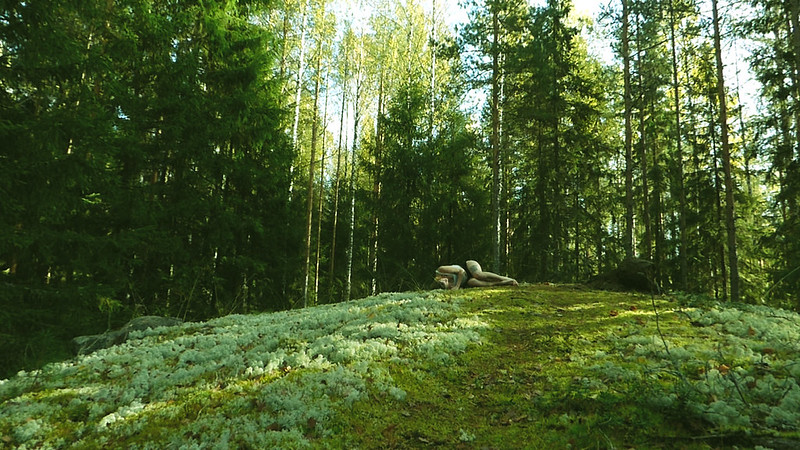
The Programme prepares students for working as artists in the
contemporary world. While galleries and museums remain major places
for art to be viewed, opportunities for artists to make work in and
for other contexts and places have increased enormously. To this
end, the course offers not only the opportunity to exhibit in the
traditional sense, but also explores these other contexts. This
contextual approach to art is explored through the Public Art
Project, which each student carries out in each year of the course.
In this respect, Environmental Art is one of the few programmes in
the UK in which students are specifically prepared for this kind of
art practice.
Skills and understanding are gained through students experiencing
a broad range of skills in drawing, casting, wood and metal
fabrication, photography, video, computers and sound. Seminars and
lectures on the history, theory and professional practices of
public art, in its broadest sense, are an integral part of the
programme. Students are expected to focus their activities in terms
of concept and medium and to develop a self-directed art practice
with a considered understanding of the context in which the work
resides and is understood.
Core objectives are to develop in students an informed
understanding and use of language in materials/media and ideas, and
to make art in response to a context. Students will also have
formed a confident, critical language in response to contemporary
art practice.
Forum for Critical Inquiry
A element of the programme is delivered by the Forum for
Critical Inquiry (FoCI) The Forum is an essential component of the
programme. For most of the four years of undergraduate programmes
in design and fine art, one day per week of the student timetable
is allocated to the Forum. It is a cross-school and
externally linked critical mass of diverse research expertise in
broad-based critical studies for contemporary creative practices in
design, art and architecture.
The range of teaching styles varies from traditional keynote
lectures to interactive discussion groups and experiential
learning. Courses are constructed in order to both underpin studio
practice and to open out and extend the range of student
research.
All students are required to attend lectures and discussion
groups, to make oral presentations, to write essays and in the
final year, to present a piece of personal research in the form of
an Extended Essay (20% of the final degree mark) or a Dissertation
(30% of the final degree mark).
Students requiring learning support are provided with additional
teaching tailored to individual needs. Each student also has a
departmental contact tutor who acts in an advisory and pastoral
capacity in relation to progress in Forum for Critical Inquiry.